

Finding a good digestive health supplement is tough today. Stores and online sites have hundreds of options. But many don’t tell you what’s in them.
The FDA has found over 200 supplements with hidden drugs since 2010. They were labeled as natural but had dangerous ingredients. This shows why knowing what’s in your supplement is key.
This guide will help you understand Gut Vita. You’ll see a detailed table of its ingredients. You’ll also learn about its benefits and possible side effects based on real research.
Visit Gut Vita Official Website
Understanding Gut Vita: A Comprehensive Overview
The market for digestive health has grown a lot in the last ten years. People spend a lot of money on supplements to help their gut and overall health. Gut Vita is a product in this market.
It combines different ingredients to help your gut health. Gut Vita’s maker says they focus on making high-quality products. They claim their product is tested a lot during making. Knowing about third-party tests and batch numbers is important for your safety. This probiotic supplement overview covers what you need to know.
You’ll want to know who makes it, their testing standards, and if tests back up their claims. People who might use Gut Vita have digestive issues, irregular bowel movements, and bloating. Knowing the price helps you see if it’s worth it.
| Consideration | What This Means for You |
|---|---|
| Manufacturing transparency | Protects you from contaminated batches |
| Third-party testing | Verifies ingredient accuracy and potency |
| Gut Vita supplement ingredients quality | Determines actual health benefits |
| Pricing per serving | Reveals value compared to competitors |
| Company reputation history | Indicates reliability and trustworthiness |
This overview sets the stage for a deeper look. You’ll find out if Gut Vita really delivers or if there are warning signs to look out for.

✅ => (HUGE SAVINGS TODAY) Click Here to Order Gut Vita For The Lowest Price From The Official Website!
Gut Vita Ingredients
Knowing what’s in your digestive health supplement is key. The Gut Vita ingredients list shows each part clearly. This way, you can make smart choices for your health.
The Gut Vita includes specific probiotic strains, prebiotic fibers, and other digestive health helpers. Each part has a role in keeping your gut healthy. Looking at the full list helps you see if it fits your health needs and budget.
Probiotic strains are the base of gut support. They help balance your digestive system. Prebiotic fibers feed these good bacteria, helping them grow. Together, they offer a full digestive wellness plan.
| Ingredient Category | Primary Function | Role in Digestive Health | Importance Level |
|---|---|---|---|
| Probiotic Strains | Beneficial bacteria colonization | Restores healthy gut flora balance | Critical |
| Prebiotic Fibers | Probiotic food source | Supports bacterial growth and survival | Critical |
| Digestive Enzymes | Nutrient breakdown | Improves food digestion efficiency | Important |
| Herbal Extracts | Inflammatory support | May reduce digestive discomfort | Supportive |
| Capsule Materials | Delivery mechanism | Protects ingredients until intestinal release | Important |
It’s important to check for allergens, like dairy or soy, if you’re sensitive. The Gut Vita ingredients list should clearly state any allergens. When comparing Gut Vita to other products, you’ll see differences in ingredients and quality.
Some products use general “probiotic blends” without specific strains or CFU counts. Quality products list each probiotic strain. The amount of prebiotic fibers also varies a lot between brands. Without enough prebiotic fibers, your probiotics won’t thrive. This detailed information helps you decide if the Gut Vita ingredients are worth the cost for your digestive health.
How Gut Vita Works in Your Digestive System
Understanding how Gut Vita works helps you know what to expect. When you take it, the good bacteria face your stomach’s acid. But special coatings help them survive to reach your intestines. Once in your intestines, the probiotics start working.
They help your gut microbiome by fighting off bad bacteria. This makes your immune system stronger, helping you stay healthy. Gut Vita also has prebiotic fibers that feed the good bacteria. This helps them grow and work better. Some formulas even have enzymes to help digest food, making nutrients more available.
You might see changes in one to three weeks. It takes time for your gut to adjust. At first, you might feel bloated or gassy as your body gets used to the new bacteria. But after a few weeks, your digestion should get better.
| Action Phase | Timeline | What Happens | Expected Outcome |
|---|---|---|---|
| Stomach Transit | 30-60 minutes | Probiotic bacteria travel through stomach acid | Coated bacteria survive to reach intestines |
| Intestinal Colonization | Days 1-7 | Probiotics attach to intestinal lining | Bacteria establish initial populations |
| Microbiome Adjustment | Days 7-14 | Gut microbiome composition shifts | Possible mild digestive discomfort |
| Metabolic Activity | Weeks 2-4 | Bacteria produce beneficial compounds | Improved digestive system function |
| Stabilization | Weeks 4+ | Balanced gut microbiome established | Consistent digestive improvements |
Gut Vita has different types of bacteria. Some are temporary, while others stay longer. The best formulas focus on the long-lasting ones for better results. Your gut is home to trillions of bacteria that affect your health. Adding new bacteria from Gut Vita changes how your gut works. They help your gut and immune system, making you healthier. 
Proven Benefits of Gut Vita Supplement
To understand what Gut Vita can do, we need to look at both the science and what it can’t do. Research shows that good probiotics can really help with digestion. They can lower the chance of getting sick, help absorb nutrients better, and boost the immune system. But, not everyone will see these benefits.
The main benefits of Gut Vita are about digestion. It can make bowel movements regular, reduce bloating, and make you feel more comfortable. Some studies even suggest it might help with mood and mental focus by talking to your brain through your gut. It could also make your gut less leaky, which can help with inflammation.
How well it works for you depends on your gut’s current state. What helps one person might not do much for another. Also, remember that buying this supplement every month can cost a lot more than getting probiotics from food.
| Potential Advantages | Realistic Limitations |
|---|---|
| Improved digestion and regularity | Requires consistent daily use |
| Reduced bloating and gas | Adjustment period side effects possible |
| Enhanced nutrient absorption | Higher cost than food sources |
| Strengthened immune response | Limited independent long-term studies |
| Potential metabolic support | Individual results vary dramatically |
Studies back up these benefits if the probiotics are good and you take the right amount. It’s worth it if you have specific digestive problems that diet can’t fix. Knowing what to expect helps you decide if Gut Vita is right for you.
Potential Side Effects and Safety Considerations
When thinking about Gut Vita side effects, knowing what your body might go through is key. Most people do well with probiotics, but it’s good to know about possible bad reactions. Luckily, many side effects are short-lived and can be managed as your gut gets used to the new bacteria.
Common side effects show up in the first two to four weeks. You might feel gas, bloating, or changes in bowel movements. These symptoms are your body adjusting to the new bacteria. They usually go away as your system gets balanced.
Some people might feel thirstier or have constipation, which can be helped by starting with a small dose. Some bacteria strains can affect certain people more. For example, Lactobacillus buchneri and others can cause issues in people sensitive to histamine.
If you’re sensitive to histamine, check the ingredients before buying. Also, watch out for ingredients you might be allergic to. Gut Vita side effects can include allergic reactions to dairy, soy, or egg derivatives. If you’re lactose intolerant, know that some probiotics have lactose, but it’s usually in small amounts.
| Risk Group | Potential Concern | Recommendation |
|---|---|---|
| Immunocompromised individuals | Serious infection risks from live bacteria | Consult physician before use |
| People with venous catheters | Bacterial translocation complications | Medical supervision required |
| Recent surgery patients | Adverse reactions to live cultures | Wait for medical clearance |
| Acute pancreatitis sufferers | Digestive supplement safety concerns | Avoid until condition resolves |
| Prolonged hospitalization cases | Infection risk from probiotic side effects | Medical oversight necessary |
| Histamine-sensitive people | Headaches and allergic symptoms | Choose low-histamine strains |
| Dairy allergy sufferers | Allergic reactions to fillers | Select dairy-free formulations |
Some groups need to be extra careful. People with weak immune systems, those with catheters, recent surgery patients, and those with pancreatitis or long hospital stays face serious risks. Live bacteria can be dangerous in these cases. Always talk to your doctor before starting probiotics if you’re in one of these groups.
Knowing the signs of bad reactions is important. If you have severe pain, diarrhea that lasts over two weeks, fever, trouble breathing, or severe allergies, stop using Gut Vita and see a doctor. Most problems can be fixed by adjusting the dose or stopping it altogether.
But, for serious symptoms, you need to see a doctor right away. Knowing about digestive supplement safety helps you use Gut Vita wisely. Watch how your body reacts in the first month. Keep notes on any side effects. And always talk to your doctor about your probiotic use.
✅ For the Lowest Discount on Gut Vita, Just Click Here!
Recommended Dosage and Usage Guidelines
Getting the right Gut Vita dosage is key to its success. The maker suggests one to two capsules a day. But, your needs might vary based on your digestive health. Knowing the right dosage helps avoid side effects and lets the supplement work well. Start with a lower dose than the label says. Try half a capsule or one capsule first.
This slow start helps your body get used to the probiotics. After a week or two, you can increase to the full dose. Consistency is important when taking Gut Vita. Take it at the same time every day, with a meal to protect the probiotics.
Don’t take it near antibiotics, as they kill good bacteria. If you miss a dose, just skip it and go back to your usual schedule. Give Gut Vita time to work. It can take four to eight weeks to see results. Keep it in a cool, dry place to keep the probiotics alive. Taking it every day is best for consistent results.
| Dosage Stage | Amount | Duration | Key Notes |
|---|---|---|---|
| Initial Phase | 1/2 capsule daily | Days 1-7 | Allows digestive adjustment; minimizes bloating |
| Build-Up Phase | 1 capsule daily | Days 8-14 | Gradually increases probiotic exposure |
| Maintenance Phase | 1-2 capsules daily | Week 3 onward | Full recommended dosage for ongoing support |
| Assessment Period | Consistent daily intake | 4-8 weeks minimum | Time needed to evaluate effectiveness |
If you have IBS or inflammatory bowel disease, talk to your doctor first. They can help you find the right dosage for your health. Keep your supplement away from heat and moisture to keep it effective.
Gut Vita Supplement Ingredients List: Complete Breakdown
Knowing what’s in your digestive health supplement is key. The Gut Vita ingredients list shows more than just names. It reveals exact amounts, research support, and if each part works as claimed. This section breaks down every active element in Gut Vita’s formula, helping you make informed health choices.
Probiotic strains are crucial but often misunderstood. Different strains affect your gut in different ways. For example, Lactobacillus acidophilus strain LA-5 and NCFM have unique benefits. Many companies don’t specify which strain they use, which is important for understanding their benefits.
Dosage is critical. Some supplements have impressive-sounding ingredients but at levels too low to be effective. We check if Gut Vita’s ingredients meet the levels shown in scientific studies. The right dosage is key to seeing real benefits.
| Component Category | Purpose in Digestive Health | Research Quality Level | Typical Dosage Adequacy |
|---|---|---|---|
| Probiotic Strains | Restore beneficial bacteria balance | Strong clinical evidence from RCTs | Often underdosed below 10 billion CFU |
| Digestive Enzymes | Break down proteins, fats, carbohydrates | Moderate support for specific strains | Variable by enzyme type and units |
| Herbal Ingredients | Support digestion and inflammation reduction | Limited to preliminary or traditional use | Depends on extract standardization levels |
| Prebiotic Fibers | Feed beneficial bacteria in colon | Well-documented in multiple meta-analyses | Usually adequate when properly specified |
| Mineral Cofactors | Support enzyme function and absorption | Established biochemical necessity | Often below optimal supplemental levels |
Proprietary blends are a warning sign. They hide the exact amounts of each ingredient. This makes it hard to know if you’re getting what you need. The Gut Vita ingredients list should be clear about what you’re getting in each serving.
Our analysis looks at the science behind each ingredient. Some have strong evidence from studies, while others rely on tradition or early research. You need to know which ingredients are backed by real science, not just marketing. It’s important to watch for medication interactions.
Some digestive ingredients can affect how your body absorbs medications. The detailed analysis should address these concerns. Knowing about potential interactions helps keep you safe when using Gut Vita with other health products.
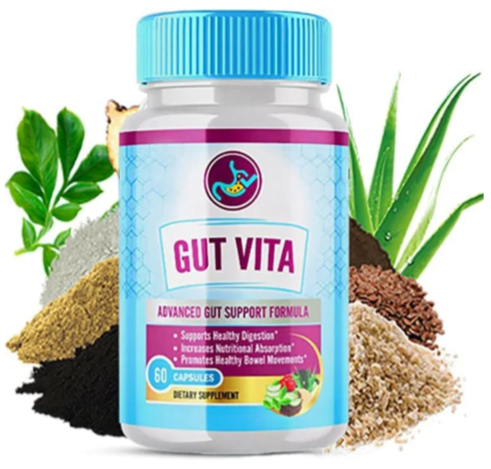
✅ (Special Offer) Click Here to Order Gut Vita for the Best Price Available at the Official Website!
Comparing Gut Vita to Other Digestive Health Products
When you’re choosing a digestive health product, it’s a big decision. You want to know if Gut Vita is worth the money. Let’s compare it to other options to help you decide. Gut Vita faces tough competition in the market.
There are many gut health supplements out there. Some focus on one thing, while others tackle many issues at once. Knowing the difference can save you money and improve your health. Looking at probiotics, we see big differences. Brands like Align and Culturelle offer single-strain formulas.
These are cheaper but have fewer types of bacteria. Gut Vita, on the other hand, has many strains, prebiotics, and enzymes. It’s more expensive but addresses more problems.
| Product Category | Monthly Cost | Probiotic Strains | CFU Count | Includes Prebiotics | Third-Party Testing |
|---|---|---|---|---|---|
| Single-Strain Probiotics | $12-$20 | 1-2 | 10-25 Billion | No | Varies |
| Multi-Strain Probiotics | $20-$35 | 5-10 | 25-50 Billion | Sometimes | Yes |
| Combination Products (Like Gut Vita) | $30-$50 | 8-15 | 40-100 Billion | Yes | Yes |
| Prebiotic Fiber Supplements | $8-$15 | 0 | 0 CFU | Yes | Sometimes |
| Digestive Enzyme Products | $15-$25 | 0 | 0 CFU | No | Varies |
| Whole Food Sources (Yogurt, Kefir) | $10-$20 | 2-5 | 5-20 Billion | Yes | N/A |
Looking at cost per serving, we see a clear picture. A $40 bottle of Gut Vita lasts 30 days, costing about $1.33 a day. Cheaper options might be $0.40 a day but offer fewer benefits. It’s a trade-off between cost and comprehensive support.
Prescription probiotics are available for specific conditions. Insurance might cover them. But products like Align and Culturelle are over-the-counter. Gut Vita offers good value without needing a prescription. Digestive supplement alternatives meet different needs.
Some focus on feeding good bacteria, while others help break down food. Gut Vita does both, offering a one-stop solution. The advantage of Gut Vita is its all-in-one approach. It’s easier and cheaper than taking separate supplements. You get the benefits of multiple ingredients in one formula.
What to Expect When Taking Gut Vita
Starting a new probiotic supplement takes time and realistic hopes. Knowing how long it takes to see results helps you understand if Gut Vita works for you. Many stop too soon or keep taking it too long without seeing any changes.
This can waste your money and harm your health. Your body needs time to get used to new bacteria. In weeks one and two, you might feel more gas, bloating, or changes in your bowel movements. These signs don’t mean you’re getting sick. They show your gut is changing as good bacteria grow. By weeks three and four, these initial signs usually go away.
You might start to have more regular bowel movements, less bloating, or better digestion of hard-to-digest foods. Not everyone sees changes right away. This doesn’t mean the supplement won’t work for you. E
veryone’s gut is different. Weeks five through eight are key. Most people start to feel real improvements in their digestion and regular bowel movements by then. If you don’t see any positive changes by week eight, the supplement might not be right for you. This gives you a clear time frame to decide if you should keep taking it.
| Timeline Period | What You Might Experience | What This Means |
|---|---|---|
| Weeks 1-2 | Bloating, gas, cramping, irregular bowel movements | Normal adjustment period as bacteria colonize |
| Weeks 3-4 | Symptoms subsiding, initial digestive improvements | Microbiome beginning to stabilize positively |
| Weeks 5-8 | Noticeable digestive comfort and regularity improvements | Supplement effectiveness becoming clear |
| Beyond Week 8 | Potential skin, mood, or immune improvements | Long-term microbiome adaptation occurring |
After stopping Gut Vita, watch what happens next. If your digestive health stays good for weeks, your gut has made lasting changes. If benefits fade quickly, you might need to keep taking it. This helps you plan your long-term supplement use and see if it’s worth it for your health goals.
✅ Click Here To Order Gut Vita From The Official Website (Discount Applied). Enjoy!
Conclusion
You now know what Gut Vita offers. Our review showed it targets digestive wellness with specific bacteria and compounds. The benefits for your gut health are promising.
Choosing Gut Vita should be based on facts, not just marketing. We explained each ingredient and its role in your body. This helps you make an informed decision. Remember, Gut Vita’s success depends on your health, diet, and how your body reacts to probiotics.
Start with the recommended dosage and give it two to three months. Watch for any side effects and track changes in your digestive system. True digestive health is more than supplements. Eat fiber-rich foods, drink water, manage stress, and exercise regularly.
These habits are more important than any supplement. When choosing a supplement, look for third-party testing and clear labels. Your gut health is important, and you deserve honest information to make the best choices.
FAQ
What exactly is in Gut Vita, and does the ingredient list match what’s actually in the capsules?
Which probiotic strains are in Gut Vita, and are they the right ones for my digestive issues?
What are the most common side effects people experience when starting Gut Vita?