

Managing blood sugar levels can feel like a never-ending battle with too many supplement choices. The market is full of quick fixes and promises of miracles. You’re left wondering about GlycoFree ingredients and find mixed messages everywhere.
This confusion costs you precious time, money, and trust. You want real medical solutions that work. You can’t afford to spend on products with false claims.
The Federal Trade Commission and Food and Drug Administration have taken action against companies making false promises. This shows why it’s crucial to do your research.
Visit GlycoFree Official Website
Understanding GlycoFree and Its Role in Blood Sugar Management
Blood sugar management is key to metabolic health. Your body needs a balance to turn food into energy and keep glucose levels steady. When it works well, you feel energized and focused. But when it doesn’t, you might feel tired and crave sweets.
GlycoFree helps by focusing on three main areas. It boosts insulin sensitivity, which is like a key unlocking cells to take in glucose. This means your pancreas doesn’t have to work as hard. It also helps control hunger by reducing cravings for sugary foods. Lastly, it aids in better glucose metabolism, turning carbs into energy instead of fat.
It’s important to understand why blood sugar issues happen. Poor diet, lack of exercise, and stress can cause glucose swings. These swings make you feel tired, foggy, and hungry. GlycoFree might help keep your energy and focus steady.
Blood sugar problems can also lead to weight gain. When glucose levels spike and drop, you crave quick energy sources. This cycle can make it hard to lose weight.
Remember, GlycoFree is not a magic fix. It works best when used with healthy habits like good food, exercise, and maybe medication. See it as part of a bigger plan for better metabolic health, not the only solution.
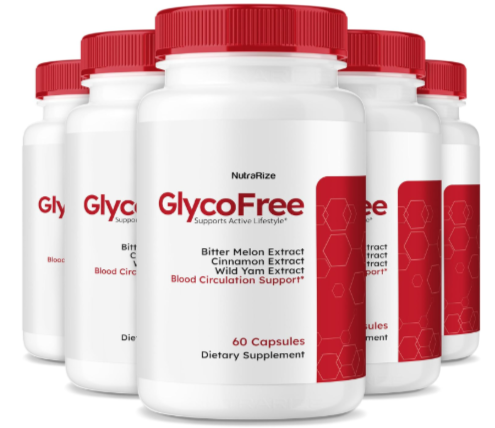
GlycoFree Ingredients
Knowing what’s in your supplement is key. The GlycoFree ingredients list includes compounds to help keep blood sugar levels healthy. Each part has a special role in how it works.
These ingredients tackle blood sugar issues from different sides. Some help your body use insulin better. Others boost energy and improve blood flow. This mix is based on the latest in metabolic health research.
| Ingredient Name | Dosage Per Serving | Primary Function | Research Application |
|---|---|---|---|
| Ginkgo Biloba | 120 mg | Enhances blood vessel function and circulation | Supports healthy blood flow to tissues |
| Green Tea Extract | 95 mg | Contains catechins for metabolic support | May improve glucose utilization and energy |
| Cinnamon Extract | 250 mg | Promotes insulin sensitivity and glucose uptake | Studied for blood sugar management benefits |
| Bilberry Leaf Powder | 100 mg | Rich in anthocyanins for vascular support | Supports healthy circulation and antioxidant protection |
| Vitamin B6 | 2 mg | Essential for energy metabolism and glucose processing | Enables proper conversion of nutrients to energy |
| Vitamin B12 | 6 mcg | Supports nerve function and metabolic processes | Crucial for cellular energy production |
| Arabinogalactan | 75 mg | Prebiotic fiber supporting digestive health | May improve nutrient absorption and metabolic balance |
| Aloe Vera Gel Polysaccharides | 50 mg | Supports digestive function and nutrient delivery | Aids in overall metabolic efficiency |
The GlycoFree ingredients list is a balanced mix for blood sugar support. The amounts match what research studies use. Unlike some blends, these ingredients are fully disclosed. You can see how they compare to studies on their own.
The GlycoFree ingredients work together well. Cinnamon and green tea help with insulin. Vitamins B6 and B12 boost metabolism. Ginkgo Biloba and bilberry improve blood flow. Together, they help manage glucose and support weight loss.
Clinical Evidence Supporting GlycoFree Supplement Ingredients
Research on GlycoFree ingredients shows mixed results. It’s important to look at what studies really say. We’ll break down the evidence in simple terms to help you decide if this supplement is right for you.
GlycoFree includes plant extracts backed by research. Cinnamon may help control blood sugar and insulin sensitivity. It could also reduce inflammation and improve metabolism.
Green Tea Extract contains EGCG, which might boost your metabolism and protect against damage. Bilberry leaf powder has anthocyanins that help with blood flow and heart health. Ginkgo Biloba research suggests it improves blood flow and oxygen delivery.
Glyconutrients in GlycoFree need careful review. Studies by Marzorati (2010) found they can improve gut health. Research on mannose shows it’s used in the body for protein production. N-acetyl-D-glucosamine might help with joint health.
But scientists like Schnaar and Freeze (2008, 2017) say glyconutrients don’t offer unique benefits. They argue that while some components look promising, it’s not clear if GlycoFree provides more than regular food.
| GlycoFree Ingredient | Primary Research Focus | Potential Benefits | Study Limitations |
|---|---|---|---|
| Cinnamon Extract | Insulin sensitivity and blood sugar regulation | Improved metabolic markers and reduced inflammation | Small sample sizes, short-term studies |
| Green Tea Extract (EGCG) | Metabolic rate and antioxidant activity | Enhanced calorie burning and cellular protection | Dosage variations between studies |
| Bilberry Leaf Powder | Vascular health and circulation | Improved blood flow and endothelial function | Limited human trials |
| Ginkgo Biloba | Blood flow and oxygen delivery | Enhanced tissue perfusion and nutrient transport | Inconsistent results across studies |
| Glyconutrients (Mannose, Xylose) | Immune function and gut microbiota | Immunomodulatory effects and digestive health | Debate about supplementation value versus diet |
The Bloomer et al. (2020) study on Ambrotose, a glyconutrient product, showed some benefits. It was a well-designed trial. But, many studies on GlycoFree ingredients have small groups, short durations, and potential bias.
It’s key to understand the difference between ingredient and product efficacy. Even if ingredients show promise, how they’re combined and dosed matters. For example, cinnamon extract at 500mg daily might not be the same as 50mg in a product.
Some GlycoFree ingredients might help with blood sugar and metabolism. But, the evidence is not strong enough for absolute claims. Always remember that “research suggests possible benefits” is different from “proven treatment.” This helps you avoid both too much skepticism and unrealistic hopes about GlycoFree ingredients.
GlycoFree Benefits for Cardiovascular and Metabolic Health
Your heart and metabolism are connected. Unstable blood sugar harms both. High glucose levels damage blood vessel walls, increasing heart disease risk.
GlycoFree helps your heart by reducing this damage. It supports better circulation in your body.
The GlycoFree benefits your blood vessels too. Ingredients like Ginkgo Biloba widen blood vessels. This lets blood flow better through your arteries and capillaries.
When blood vessels relax, blood pressure may drop. Oxygen gets to every cell in your body better.
Good circulation is key for blood sugar management. Poor circulation can cause numbness in feet and hands. GlycoFree’s Green Tea Extract and bilberry strengthen capillary walls.
These compounds help microcirculation. They bring nutrients to tissues that need them most.
Energy crashes happen with unstable blood sugar. GlycoFree keeps your energy steady all day. It prevents these crashes by managing your metabolism.
B vitamins in GlycoFree support energy production. They help your body’s cells make energy through the Krebs cycle.
| GlycoFree Benefit | How It Works | Expected Timeline |
|---|---|---|
| Improved Blood Vessel Function | Ginkgo Biloba stimulates nitric oxide production, relaxing smooth muscle in vessel walls | 4-8 weeks |
| Enhanced Circulation | Flavonoids strengthen capillary walls and improve blood flow to extremities | 6-10 weeks |
| Increased Energy Levels | Stable blood sugar prevents glucose crashes; B vitamins support cellular energy | 2-4 weeks |
| Metabolism Support | Ingredients may enhance thermogenesis and improve insulin sensitivity | 8-12 weeks |
GlycoFree benefits take time to develop. Real improvements in heart function and energy take weeks or months. Your genetics, diet, exercise, and health conditions affect how much you’ll benefit.
User reports show more energy and better circulation. These stories are individual experiences, not guaranteed results. What works for one person might not work the same for another. See these reports as hopeful signs, not promises.
The benefits of GlycoFree for your heart make sense. Stable blood sugar reduces inflammation in blood vessels. Better circulation means your heart works better. Improved energy helps you exercise more, strengthening your heart even more. This creates a positive cycle for your whole body.
How GlycoFree Controls Blood Sugar Levels and Supports Weight Loss
GlycoFree helps your body in three main ways. These ways work together to keep blood sugar stable and support weight loss. Understanding these helps see why controlling blood sugar is key for health. Think of your body’s glucose system like an engine—it runs better with efficiency.
The first GlycoFree benefit is insulin sensitivity. Insulin is like a key that unlocks your cells for glucose. When cells resist, your pancreas works harder, leading to Type 2 diabetes. GlycoFree’s cinnamon extract may improve how well cells respond to insulin, reducing the need for too much insulin.
The second benefit is craving reduction. Unstable blood sugar causes hunger and cravings for sweets. GlycoFree keeps your glucose levels steady, reducing hunger. This makes it easier to eat healthy because you’re not constantly hungry.
The third benefit is glucose metabolism optimization. GlycoFree helps your body turn carbs into energy more efficiently. B vitamins in the formula support this process, helping your body use energy better.
| Blood Sugar Control Mechanism | How It Works | Potential Impact on Weight Loss |
|---|---|---|
| Enhanced Insulin Sensitivity | Ingredients help cells respond better to insulin, reducing pancreas workload | Better glucose control reduces fat storage signals |
| Reduced Sugar Cravings | Stable glucose levels prevent energy crashes and hunger spikes | Fewer calories consumed from unhealthy snacks |
| Improved Glucose Metabolism | B vitamins and active compounds support efficient energy production | Optimized metabolism aids calorie utilization |
Be realistic about GlycoFree benefits. It may help you lose a bit more weight each month with healthy habits. Supplements work with your body, not replace it. GlycoFree supports your metabolism, not magically change it.
Stable blood sugar also means clearer thinking. Your brain needs steady glucose to focus. GlycoFree helps keep your energy and focus steady, making it easier to stick to healthy habits.
✅ For the Lowest Discount on GlycoFree, Just Click Here!
GlycoFree Dosage Recommendations and Usage Guidelines
Knowing the right GlycoFree dosage is key for safe and effective use. Most labels suggest taking one to two capsules a day with meals. Always check your product label for specific instructions. Taking it with food helps your body absorb the ingredients better and may prevent stomach upset.
When to take GlycoFree matters. Taking it with breakfast or lunch helps manage blood sugar spikes after meals. Studies show that ingredients like xylose and mannose absorb best in the small intestine with food present. This supports taking GlycoFree with meals rather than on an empty stomach.
Don’t expect quick results from GlycoFree. Blood sugar and metabolic improvements take weeks of daily use to show. Skipping doses or taking it sporadically limits your results. Blood sugar supplements work best as daily support, not occasional treatments.
If you miss a dose, just take it the next day. Never take double the dose to catch up. Some people start with a lower dose to test their tolerance, then increase to the full amount over a week or two.
| Dosage Scenario | Recommended Approach | Timing Guidance |
|---|---|---|
| Starting GlycoFree for the first time | Begin with one capsule daily to assess tolerance | Take with your largest meal of the day |
| Standard ongoing use | One to two capsules daily as directed on label | Consistent timing with breakfast or lunch |
| Missed dose | Skip the missed dose and continue regular schedule | Do not double up on next dose |
| Taking with diabetes medications | Space doses at least two hours apart when possible | Consult your doctor about optimal timing |
| Individual adjustments needed | Higher doses don’t guarantee better results | Work with your healthcare provider on modifications |
Your GlycoFree dosage needs depend on many factors. Body weight, metabolic rate, current blood sugar control, age, and digestive health all play a role. What works for one person might need adjustment for another.
Don’t change your diabetes medication dosage based on GlycoFree’s effects, even if it seems to help. Always consult your doctor before adjusting any prescription medications. Your healthcare provider needs to monitor your progress and make any necessary medication changes safely. Using supplements alongside medications requires professional medical supervision to prevent dangerous interactions or complications.
If you take other supplements or medications, discuss timing with your pharmacist or doctor. Some substances can interfere with each other’s absorption or effectiveness. Spacing doses apart by at least two hours often minimizes these interactions, but your healthcare team can provide personalized guidance for your specific situation.
GlycoFree Side Effects and Safety Considerations
It’s important to know about GlycoFree side effects before you start using it. Supplements often highlight their benefits, but it’s key to know the risks. The side effects of GlycoFree can vary based on how sensitive you are, the dose you take, and your overall health.
Many people feel a bit of stomach upset when they first start taking GlycoFree. The fiber and polysaccharide ingredients can lead to gas, bloating, or loose stools. But, these symptoms usually go away in a few days as your body gets used to it. Starting with a small dose can help lessen these initial effects.
There’s a bigger concern for people with diabetes. Taking GlycoFree with diabetes medications can lower blood sugar too much. This can cause hypoglycemia, which is dangerous and can lead to serious health issues. If you’re taking diabetes drugs, talk to your doctor before using GlycoFree.
Some people might have allergic reactions to certain herbs in GlycoFree. Ginkgo Biloba can increase the risk of bleeding and interact with blood thinners. Green tea extract can be bad for the liver if taken in large amounts. Cinnamon, while generally safe, can build up coumarin in your body with very high doses.
| Ingredient | Potential Effect | Risk Level |
|---|---|---|
| Ginkgo Biloba | Increased bleeding, blood thinner interactions | Moderate |
| Green Tea Extract | Liver concerns at high doses | Low to Moderate |
| Cinnamon | Coumarin accumulation | Low |
| Polysaccharides | Digestive adjustment, gas, bloating | Low |
Some groups need to be extra careful. Pregnant women, nursing mothers, kids, and people with liver or kidney disease should talk to a doctor before using GlycoFree. They don’t have enough safety data for these groups.
Quality is also a big deal. Since supplements don’t need FDA approval, there’s a risk of contamination, mislabeling, and inconsistent quality. The FDA has warned about diabetes supplements making false claims and having hidden pharmaceutical ingredients.
Always tell your doctor about GlycoFree side effects and your plans to use it. This is crucial if you’re on blood pressure meds, anticoagulants, or diabetes drugs. Just because something is labeled as “natural” doesn’t mean it’s safe. Your research and doctor’s advice are key to staying safe.

✅ (Special Offer) Click Here to Order GlycoFree for the Best Price Available at the Official Website!
Regulatory Concerns and FDA Warnings About Diabetes Supplements
The dietary supplement industry has different rules than drugs. The FDA checks drugs for safety and effectiveness before they hit the market. But supplements can be sold without FDA approval, thanks to the Dietary Supplement Health and Education Act (DSHEA) of 1994.
This means companies can say their products “support healthy blood sugar” without solid proof. But, if they make claims that sound like they’re treating a disease, they’re breaking the rules.
Recently, the FTC and FDA took action against ten companies selling diabetes supplements. They made claims that were not backed by science. These claims included saying their products could “get your diabetes under control” or “balance blood sugar levels for people with diabetes.”
Such claims make these supplements into unapproved drugs. The agencies found no scientific evidence to support these claims. Now, these companies face fines and legal trouble if they keep making these false claims.
| Regulatory Issue | What It Means for You | Warning Signs |
|---|---|---|
| Unsubstantiated Disease Claims | Product makes promises to treat or cure diabetes without FDA approval | “Cures diabetes,” “reverses blood sugar problems,” “eliminates insulin need” |
| Missing Scientific Evidence | GlycoFree supplement ingredients lack clinical studies proving effectiveness | No peer-reviewed research, vague references to “studies,” testimonials only |
| Undisclosed Drug Ingredients | Products contain prescription drugs not listed on labels | Unexpected side effects, rapid results, hidden pharmaceutical ingredients |
| Manufacturing Violations | Incorrect ingredient amounts or contaminated products reach consumers | Quality control failures, inconsistent results, safety issues |
Knowing the difference between legal and illegal claims is key to your health. Legal claims talk about how nutrients work in your body. But, claims that sound like they’re treating a disease are illegal.
When looking at GlycoFree supplement ingredients or similar products, be cautious. Read marketing materials with a critical eye.
To protect yourself, follow these steps before buying any supplement. Always talk to your doctor or healthcare provider first. Be wary of promises that seem too good to be true.
Do your research online—look for “scam,” “complaint,” and “lawsuit.” Report suspected fraud to ReportFraud.ftc.gov. Legitimate companies are open about their ingredients, manufacturing, and research. Deceptive companies often use vague claims and high-pressure sales.
Some diabetes control supplements have hidden prescription drugs. These can be dangerous, even for people already taking similar medications. Just because a supplement is on store shelves or online doesn’t mean it’s safe or approved by the FDA. Always be cautious and do your homework before buying.
Comparing GlycoFree to Other Glyconutrient Supplements
When looking at GlycoFree ingredients, it’s good to compare them to other products. The market has many brands, each with their own claims for health benefits. GlycoFree stands out by focusing on metabolic health.
Glyconutrients are eight sugars that some say are key for cell communication. These include glucose and others. While your body can make most of these, some argue supplements are needed for health.
Mannatech’s Ambrotose is a big name in glyconutrients. But, it has faced legal issues and criticism. Research by Bloomer in 2020 showed some benefits, but the debate is ongoing.
Experts like Schnaar and Freeze have questioned glyconutrient supplements. They say the body already makes these sugars well. Yet, some research supports the idea that certain sugars help gut health.
| Product Feature | GlycoFree | Ambrotose | Standard Blood Sugar Supplements |
|---|---|---|---|
| Primary Ingredient Type | Glyconutrient blend with supporting herbs | Proprietary polysaccharide complex | Chromium, berberine, alpha-lipoic acid |
| Scientific Research Available | Limited peer-reviewed studies | Multiple studies with mixed results | Substantial clinical evidence |
| Ingredient Transparency | Variable (check label) | Proprietary blend used | Typically fully disclosed |
| Approximate Cost Range | $30-$50 per month | $40-$60 per month | $15-$35 per month |
| Third-Party Testing | Verify with manufacturer | Not standard practice | Often available |
| Target Health Outcome | Blood sugar support and cellular health | Immune function and energy | Blood glucose control and weight loss |
Looking at prices, GlycoFree and Ambrotose are pricier, costing between thirty and sixty dollars monthly. Traditional supplements, like those with chromium, are cheaper, ranging from fifteen to thirty-five dollars. It’s worth asking if the higher cost is worth it.
Being open about ingredients is key. GlycoFree lists its ingredients and dosages clearly. Many products hide behind proprietary blends. This makes it hard to compare what you’re getting.
Choosing between GlycoFree and other options depends on what you value most. If you want proven blood sugar control, traditional supplements might be better. GlycoFree could be a good choice if you’re interested in cellular health. Always talk to your doctor before starting any supplement.
✅ Click Here To Order GlycoFree From The Official Website (Discount Applied). Enjoy!
Conclusion
We’ve looked at GlycoFree from all sides. We’ve talked about cinnamon extract and bilberry, and the rules for diabetes supplements. GlycoFree has parts that might help with blood sugar and heart health. But, there’s not much research on how GlycoFree works exactly.
There’s also debate about glyconutrients and rules that affect all supplements. This makes it hard to know for sure how GlycoFree works.
GlycoFree might help a bit if you eat right, exercise, and manage your weight. The ingredients are usually safe, but they can cause side effects or interact with medicines. It’s not for everyone.
Before trying GlycoFree, talk to your doctor. Think about the cost and if it’s worth it for you. Some people find it helpful, while others get better results with diet and exercise.
We’ve given you a detailed look because you deserve to know the truth. We want to help you make smart choices about your health and money. If you decide to try GlycoFree, be careful and don’t expect too much.
Focus on what really works: eating well, exercising, and taking your medicines. If you have problems, tell the FDA and FTC. Your feedback helps others. Stay up to date with new research and rules in this area.
FAQ
What exactly are the GlycoFree ingredients and how do they work together?
Is there clinical research proving GlycoFree actually works?
What are the specific benefits I can expect from taking GlycoFree?
How much GlycoFree should I take and when should I take it?