

Nerve pain is a big problem for millions in the U.S. It can cause tingling, numbness, and burning. These symptoms can really disrupt your life. You might look for affordable solutions that actually work.
Finding a good supplement can be tough with so many claims out there. This guide will look at NerveAction ingredients clearly. We want to help you understand what’s in this supplement.
Neuropathy makes everyday tasks hard for many. The pain and discomfort can be really tough. People often look for supplements to help manage their symptoms better.
Visit NerveAction Official Website
Understanding NerveAction and Nerve Health Supplements
Neuropathy is a wide range of nerve disorders. They cause pain, tingling, numbness, and weakness in different parts of your body. Millions of Americans suffer from it, with peripheral neuropathy being the most common. This affects the nerves outside your brain and spinal cord.
Diabetes is behind about 60-70% of neuropathy cases in the U.S. Other causes include chemotherapy, vitamin deficiencies, autoimmune diseases, and toxins. When nerves get damaged, they can’t send signals well. This leads to the uncomfortable feelings that make daily life hard.
| Common Neuropathy Causes | Percentage or Frequency | Nerve Damage Mechanism |
|---|---|---|
| Diabetes | 60-70% of cases | High blood sugar damages nerve fibers |
| Chemotherapy | Common side effect | Toxins harm nerve cells |
| Vitamin Deficiency | Preventable cause | Inadequate nutrients for nerve function |
| Infections | Variable occurrence | Inflammation damages nerve tissue |
Medicines like gabapentin and pregabalin help with pain but can have big side effects. They don’t fix the nerve damage. This has led to looking into supplements that help nerves heal, reduce inflammation, and fight oxidative stress.
NerveAction benefits come from using ingredients backed by research. These supplements aim to help medical treatments, not replace them. Managing blood sugar, physical therapy, lifestyle changes, and doctor advice are key to treating neuropathy.
Always talk to your doctor before starting supplements. This is very important if you’re on medication or have chronic conditions. Supplements don’t get the same checks as medicines. So, making smart choices is crucial for your health and safety.
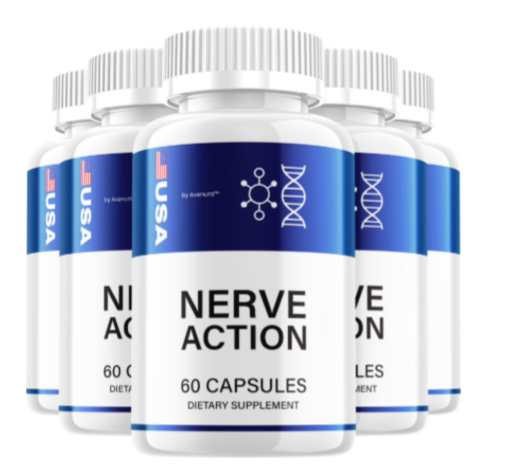
NerveAction Ingredients
Knowing what’s in your nerve health supplement is key. We think being open about ingredients is important. The NerveAction supplement includes ingredients backed by science to help your nerves and ease pain. Many companies add too little of these ingredients, making them less effective.
We’ve made a detailed list of NerveAction ingredients. This lets you see if they match up with what science says. This way, you can make an informed choice about your nerve health.
Each ingredient in NerveAction works in its own way to support nerve health. Some provide nutrients that nerves need. Others fight off damage caused by stress. Some ingredients help reduce pain by fighting inflammation.
The table below shows the NerveAction ingredients, how much is in each serving, and what they do. This lets you compare NerveAction to other nerve health products.
| Ingredient | Amount per Serving | Primary Action | Research Support Level |
|---|---|---|---|
| Benfotiamine (Fat-Soluble B1) | 150 mg | Nerve energy metabolism and myelin support | Strong |
| Vitamin B6 (Pyridoxal-5-Phosphate) | 50 mg | Neurotransmitter synthesis and nerve signaling | Strong |
| Vitamin B12 (Methylcobalamin) | 500 mcg | Myelin formation and red blood cell production | Strong |
| Alpha-Lipoic Acid | 300 mg | Antioxidant protection and glucose metabolism | Strong |
| Acetyl-L-Carnitine | 500 mg | Nerve regeneration and mitochondrial energy | Strong |
| N-Acetyl Cysteine (NAC) | 300 mg | Glutathione production and pain reduction | Moderate-to-Strong |
| Curcumin (95% Curcuminoids) | 200 mg | Anti-inflammatory and neuroprotective effects | Strong |
| Fish Oil (Omega-3 Fatty Acids) | 500 mg | Nerve membrane integrity and neuroinflammation reduction | Strong |
This NerveAction ingredients list is a multi-targeted approach to nerve support. The amounts are based on solid research, unlike cheaper alternatives. Knowing these ingredients helps you talk to your doctor about nerve health support.
B Vitamins Complex in NerveAction
The B vitamin complex is key in NerveAction ingredients, backed by science. These nutrients are vital for your nervous system’s health. Studies show B vitamins help manage neuropathy symptoms effectively.
B vitamin deficiencies can lead to serious nerve damage. Peripheral neuropathy can be caused by a lack of B vitamins, including B12. Without treatment, this damage is permanent. A 2017 review found that B vitamins aid in nerve repair and reduce pain and inflammation.
| B Vitamin | Role in Nerve Health | Key Research Findings | Safety Considerations |
|---|---|---|---|
| B1 (Benfotiamine) | Supports glucose metabolism and nerve signal transmission | Doses from 300mg to 900mg daily showed improvements in diabetic neuropathy | Fat-soluble form penetrates nerve cells more effectively |
| B6 (Pyridoxine) | Maintains myelin sheath covering nerve endings | Essential for nerve insulation and protection | Doses exceeding 200mg daily can cause neuropathy symptoms |
| B12 (Methylcobalamin) | Prevents nerve damage and supports nerve repair | Deficiency causes permanent peripheral neuropathy without treatment | Active form doesn’t require body conversion; better absorption |
Vitamin B1 (Benfotiamine) is a standout in NerveAction ingredients. Its fat-soluble form is more easily absorbed than standard thiamine. Studies show that doses up to 900mg daily help with diabetic neuropathy.
Vitamin B6 (Pyridoxine) keeps your nerve endings insulated. It’s like insulation on electrical wires, ensuring signals flow smoothly. But, be careful: too much B6 can harm your nerves. It’s important to stick to safe doses.
Vitamin B12 (Methylcobalamin) is crucial for NerveAction ingredients. It helps prevent nerve damage caused by deficiency. Methylcobalamin is the active form that doesn’t need conversion in your body, making it more effective.
Combining B vitamins may offer better benefits than taking them separately. Your nervous system needs all three for optimal health.

Alpha-Lipoic Acid: A Powerful Antioxidant
Alpha-lipoic acid is a top choice for nerve health support. It’s different from B vitamins because it fights free radicals. Free radicals damage nerve cells and their protective coatings.
Alpha-lipoic acid is special because it works in both water and fat. This lets it reach all parts of your body. It helps by neutralizing free radicals and regenerating antioxidants like vitamins C and E.
A 2021 study showed alpha-lipoic acid lowers blood sugar and improves nerve function in diabetic neuropathy. People with this condition felt less pain and numbness in their legs and arms. A 2017 study also found it protects nerves from damage in diabetes.
| Dosage Form | Daily Amount | Administration Method |
|---|---|---|
| Oral Capsules | 600-1200 mg | Divided doses with meals |
| Intravenous | Higher blood levels | Medical clinic setting |
Studies suggest taking 600 to 1200 milligrams of alpha-lipoic acid daily. Taking it with meals helps it absorb better and avoids stomach issues. Some clinics offer intravenous alpha-lipoic acid for better blood levels, but oral supplements are more common and accessible.
You can get alpha-lipoic acid from foods like liver, red meat, broccoli, and spinach. But, these foods have only small amounts. For neuropathy relief, you need more than what’s in food.
Important safety note: Alpha-lipoic acid can be harmful if you have thiamine deficiency. It also lowers blood sugar, so it’s important to watch your levels if you take diabetes meds. Always talk to your doctor before starting this supplement to make sure it’s safe for you.
Acetyl-L-Carnitine for Nerve Regeneration
Acetyl-L-carnitine is a top choice for nerve health supplements. It does more than just hide symptoms; it may actually help repair nerves. Your body makes it naturally, playing key roles in nerve cell function and energy.
Acetyl-L-carnitine works by moving fatty acids into your cells’ energy centers, called mitochondria. Nerve cells need lots of energy to work right, making this transport vital. It also acts as an antioxidant, protecting nerves from harm. Plus, it boosts nerve growth factor, important for nerve repair and growth.
A 2019 study found acetyl-L-carnitine helps with neuropathy. It reduced pain, grew new nerve fibers, and sped up nerve signals. This supports earlier research that shows it can slow or reverse neuropathy if started early.
Studies often use 500mg twice a day (1000mg total) for months to see results. Remember, nerve repair takes time, measured in months, not weeks. Acetyl-L-carnitine works best for neuropathy caused by chemotherapy, but results vary for diabetic neuropathy.
| Food Source | Carnitine Content | Best For |
|---|---|---|
| Red Meat | Highest concentration | Non-vegetarians |
| Fish | Moderate to high | Omega-3 benefits plus carnitine |
| Poultry | Moderate | Lean protein source |
| Dairy Products | Low to moderate | Vegetarian option |
You can get carnitine from meat, fish, poultry, and dairy. Vegetarians and vegans might need supplements more. Side effects are usually mild, like stomach upset or fishy smell at high doses. But, it can raise seizure risk and interact with certain medications. Always talk to a doctor before starting, if you’re on other meds.
Acetyl-L-carnitine is worth trying, but under a doctor’s watch. We aim to give you honest info on what it can do for nerve repair. It has real science backing it, without making false promises.
✅ For the Lowest Discount on NerveAction, Just Click Here!
N-Acetyl Cysteine (NAC) and Pain Reduction
N-acetyl cysteine, or NAC, is a key ingredient in nerve health supplements. It helps make glutathione, your body’s main antioxidant. When you take NAC, your cells turn it into cysteine, which then makes glutathione. This is important for nerve pain because it fights oxidative stress and inflammation.
NAC helps in several ways. It not only boosts glutathione production but also has anti-inflammatory effects. It reduces molecules that make pain worse in your nervous system. This helps both the causes and symptoms of nerve pain, making it great for those with nerve discomfort.
Studies show NAC is promising for nerve pain and inflammation. A recent human study found it helped people with nerve pain. The best dose is 1200-2400mg a day, split into two or three doses. This amount is needed to really help with oxidative stress.
You can’t get enough NAC from food to help with nerve pain. High-protein foods have cysteine, but not enough for pain relief. Taking supplements is the best way to get the benefits. Most people can take NAC without problems, but some might feel sick or have diarrhea, usually if taken on an empty stomach.
| Aspect | Details |
|---|---|
| Daily Dosage Range | 1200-2400mg divided into 2-3 doses |
| Primary Function | Glutathione precursor and direct anti-inflammatory |
| Common Side Effects | Occasional nausea or diarrhea |
| Natural Food Sources | High-protein foods (cysteine, not therapeutic NAC) |
| Research Status | Promising animal studies; limited but encouraging human evidence |
| Drug Interactions | May interact with nitroglycerin and blood pressure medications |
Before starting NAC, there are important things to know. It can affect blood pressure and interact with certain drugs. It might also make antibiotics less effective. People with kidney disease should talk to their doctor about using NAC.
How NAC works for pain can vary from person to person. Some see big improvements in a few weeks, while others don’t notice much. Always talk to your doctor before starting NAC, even if you’re just curious. The research suggests it’s worth looking into further.
Curcumin: The Anti-Inflammatory Compound
Curcumin is found in turmeric, a bright yellow spice common in Indian food. It’s a strong anti-inflammatory that fights pain at its root. Studies show curcumin can help with the numbness and tingling of neuropathy.
Curcumin works by reducing inflammation and changing how your body feels pain. When nerves get damaged, inflammation can keep sending pain signals. Curcumin might help stop this cycle and aid in nerve healing.
A 2021 study found curcumin helps with neuropathy pain. People with the condition felt less “pins and needles” in their hands and feet. This supports using curcumin as part of treating neuropathy.
But, curcumin is hard for your body to absorb. Most of it goes through your digestive system without being used. But, mixing curcumin with black pepper can boost absorption by up to 2000%. This is important when choosing anti-inflammatory supplements.
You can get curcumin from food by adding turmeric to drinks and meals. A traditional dose is about one teaspoon a day. Adding black pepper and healthy fats like coconut oil can help your body absorb it better. Side effects are usually mild, but curcumin can interact with certain medications.
| Curcumin Source | Curcumin Content | Absorption Rate | Best Use |
|---|---|---|---|
| Turmeric powder (1 tsp) | 150-250mg | Low without enhancers | Cooking, golden milk |
| Standard supplement | 500-1000mg | 5-10% without piperine | Basic supplementation |
| Enhanced-absorption formula with piperine | 500-1000mg | Up to 2000% increase | Optimal therapeutic benefit |
| Liposomal curcumin | 500-1000mg | Significantly improved | Maximum neuropathy support |
Anti-inflammatory supplements like curcumin work best as part of a full plan. While research on curcumin for neuropathy is growing, using an enhanced formula boosts your chances of success. Always talk to your doctor before starting, but be careful if you’re on blood thinners or diabetes meds.
Fish Oil and Omega-3 Fatty Acids
Fish oil is a top choice for nerve health. It contains EPA and DHA, two omega-3s crucial for nerve cells. DHA is key in brain and nerve tissue. Without enough omega-3s, nerve cells can lose function.
Omega-3s fight inflammation, a major issue in neuropathy. They reduce harmful molecules and boost protective ones. This can lessen pain and aid in nerve repair. A 2020 study showed fish oil helps neuropathy patients recover faster and feel less pain.
Eating fatty fish like salmon is a natural way to get omega-3s. Walnuts, chia seeds, and flaxseeds are good for vegans. Algae-based supplements offer EPA and DHA without fish.
| Fish Oil Source | EPA + DHA Content per 100g | Best Use |
|---|---|---|
| Salmon | 2.3g | Fresh dietary source |
| Mackerel | 2.7g | Fresh dietary source |
| Sardines | 2.2g | Canned or fresh |
| Herring | 3.1g | Fresh dietary source |
| Cod Liver Oil Supplement | 0.3-0.7g per 1000mg | Concentrated supplement |
| Fish Oil Supplement (standard) | 0.3g per 1000mg | Daily supplementation |
| Walnuts | 0.2g ALA per ounce | Plant-based source |
| Chia Seeds | 0.3g ALA per ounce | Plant-based source |
When picking fish oil, check the label. Most capsules have 300mg of omega-3s per 1000mg. You might need 3-6 capsules a day for enough EPA and DHA.
Quality is key in fish oil supplements. Look for products tested by third parties like IFOS or USP. These are less likely to have toxins.
Side effects of omega-3s are usually mild. Some people might experience a fishy taste, stomach issues, or nausea. Taking it with meals and using enteric-coated capsules can help. But, high doses can increase bleeding risk, so talk to your doctor.
Fish oil is a vital part of managing neuropathy. It’s safe at the right doses, affordable, and has promising research backing it. It’s a good addition to other nerve-supporting ingredients like those in NerveAction.
NerveAction Benefits for Neuropathy Symptoms
We’ve looked at each part of NerveAction. Now, let’s see how these parts work together. They tackle nerve damage from different angles, offering relief for neuropathy symptoms.
NerveAction is different from single-ingredient supplements. It has many ingredients that work together. One fights inflammation, another helps nerves grow back, and a third protects against damage. This way, it tackles complex nerve problems in a comprehensive manner.
How NerveAction helps you can vary a lot. Some people see big improvements in weeks. Others notice changes over months. Many things can affect your results, like the type and severity of your neuropathy, how long you’ve had it, and your overall health.
| NerveAction Benefit | Potential Advantage | Important Consideration |
|---|---|---|
| Reduced Pain | Relief from chronic nerve discomfort | Results vary based on pain duration and severity |
| Improved Nerve Function | Better signal transmission and coordination | May take 6-12 weeks for noticeable changes |
| Nerve Regeneration Support | Cellular repair and growth promotion | Works best with newer nerve damage |
| Reduced Inflammation | Decreased swelling around nerve tissues | Anti-inflammatory effects depend on dosage consistency |
| Antioxidant Protection | Defense against cellular damage | Preventive benefit; not a quick fix |
| Relief from Tingling and Numbness | Restoration of normal sensation | Long-standing symptoms need extended treatment |
| Blood Sugar Regulation | Support for diabetic neuropathy management | Complements medical diabetes treatment |
| Muscle Soreness Relief | Reduced tension and discomfort | Works alongside physical activity modifications |
NerveAction does more than just ease pain. It also improves how your nerves send signals. This helps your nervous system work better, not just feel better.
It’s important to have realistic hopes. Getting relief from neuropathy symptoms takes time and regular use. Damage that’s been there for a long time might take longer to fix than newer damage. Your age, genes, and how your body works can also affect how fast you see results.
✅ Click Here To Order NerveAction From The Official Website (Discount Applied). Enjoy!
Conclusion
You’ve now reviewed all the key information about NerveAction. We’ve looked at the science behind its ingredients, discussed what benefits you might see, and talked about possible side effects. Now, the big question is: should you choose NerveAction for your nerve health needs?
NerveAction has ingredients backed by real research. B vitamins, alpha-lipoic acid, and others have studies showing they might help with nerve issues. This makes NerveAction stand out from many other products on the market.
But remember, supplements are just part of the solution. Neuropathy and nerve damage are complex issues. No single product can fix them completely. Your goal should be to reduce symptoms and slow down damage, while also addressing the root causes.
Here’s what we suggest. First, talk to your doctor about NerveAction. They can help decide if it’s right for you, considering your health and medications. Your doctor’s advice is crucial before starting any supplement.
Second, make sure the formula is what it claims to be. Look for third-party testing to confirm the ingredients and doses. This ensures you’re getting what you expect, unlike many supplements.
In conclusion, NerveAction seems like a good option for nerve health support. It’s not a cure or a miracle solution. It’s meant to be used with medical care and healthy habits. For those with neuropathy, this is a big deal.
FAQ
What exactly is in NerveAction, and how do the ingredients work together to support nerve health?
NerveAction has six main ingredients: B vitamins, alpha-lipoic acid, acetyl-L-carnitine, N-acetyl cysteine, curcumin, and fish oil omega-3s. These ingredients help in different ways. B vitamins support nerve function and signal transmission. Alpha-lipoic acid and NAC fight oxidative stress that harms nerve cells.
Acetyl-L-carnitine helps with nerve regeneration and energy. Curcumin reduces inflammation that causes pain. Fish oil omega-3s help build nerve cell membranes. This combination tackles neuropathy from multiple angles.
Is NerveAction actually effective for neuropathy, or is it just marketing hype?
NerveAction has ingredients backed by research for neuropathy relief. It’s different from many supplements without scientific proof. But, results vary from person to person.
Some see relief in weeks, while others notice little change. It depends on the type and severity of neuropathy, how long you’ve had it, and your overall health. Supplements work best as part of a comprehensive plan.
What are the NerveAction side effects I should be aware of before starting?
Common side effects include stomach upset, fishy taste, and headaches. These usually go away in a few days. But, there are serious concerns too.
Too much B6 can cause neuropathy symptoms. Alpha-lipoic acid can interact with thiamine. Fish oil and curcumin may increase bleeding risk. Acetyl-L-carnitine can raise seizure risk, and NAC can lower blood pressure too much.
Always talk to your doctor before starting, even if you’re taking other medications.
What is the proper NerveAction dosage, and how do I know if the amounts in the product are therapeutic?
The right dosages are: B1 (benfotiamine) 300-900mg daily, B6 200mg max, B12 500-1000mcg daily, alpha-lipoic acid 600-1200mg daily, acetyl-L-carnitine 1000mg daily, NAC 1200-2400mg daily, curcumin 500-1000mg, and fish oil 1000-2000mg daily. Check the label to see if the amounts match these ranges.
Most studies ran 8-12 weeks. So, use NerveAction for at least 2-3 months to see results. Take fat-soluble ingredients with meals for better absorption.